Destination
Namibia beyond the map
Namibia is a country of vast distances, dramatic landscapes and surprising contrasts. From ancient deserts and remote mountains to wildlife-rich national parks and the wild Atlantic coast, every region has its own character.
Whether you are drawn to wide open spaces, wildlife, adventure or the quieter corners of the country, we can help you find the Namibia that speaks to you.
Namibia at a glance
A country of contrasts
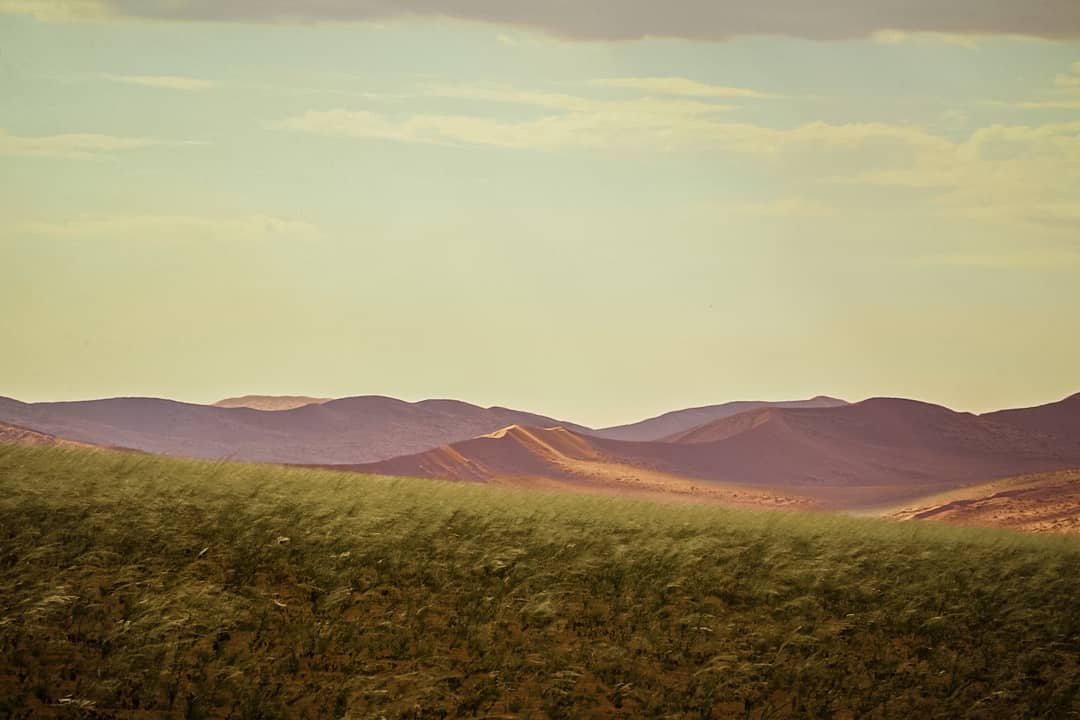
The world’s oldest desert
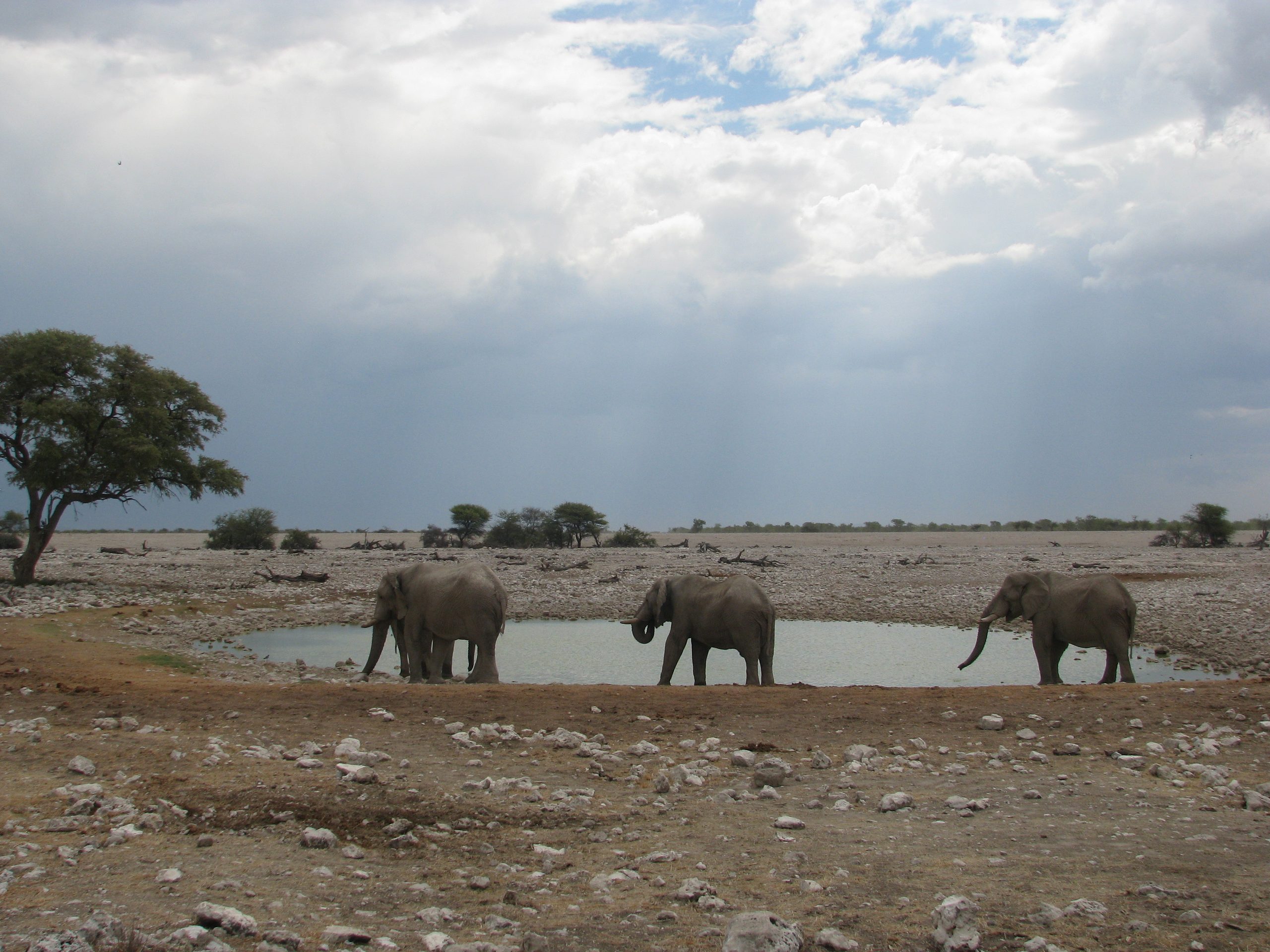
Wildlife and open spaces
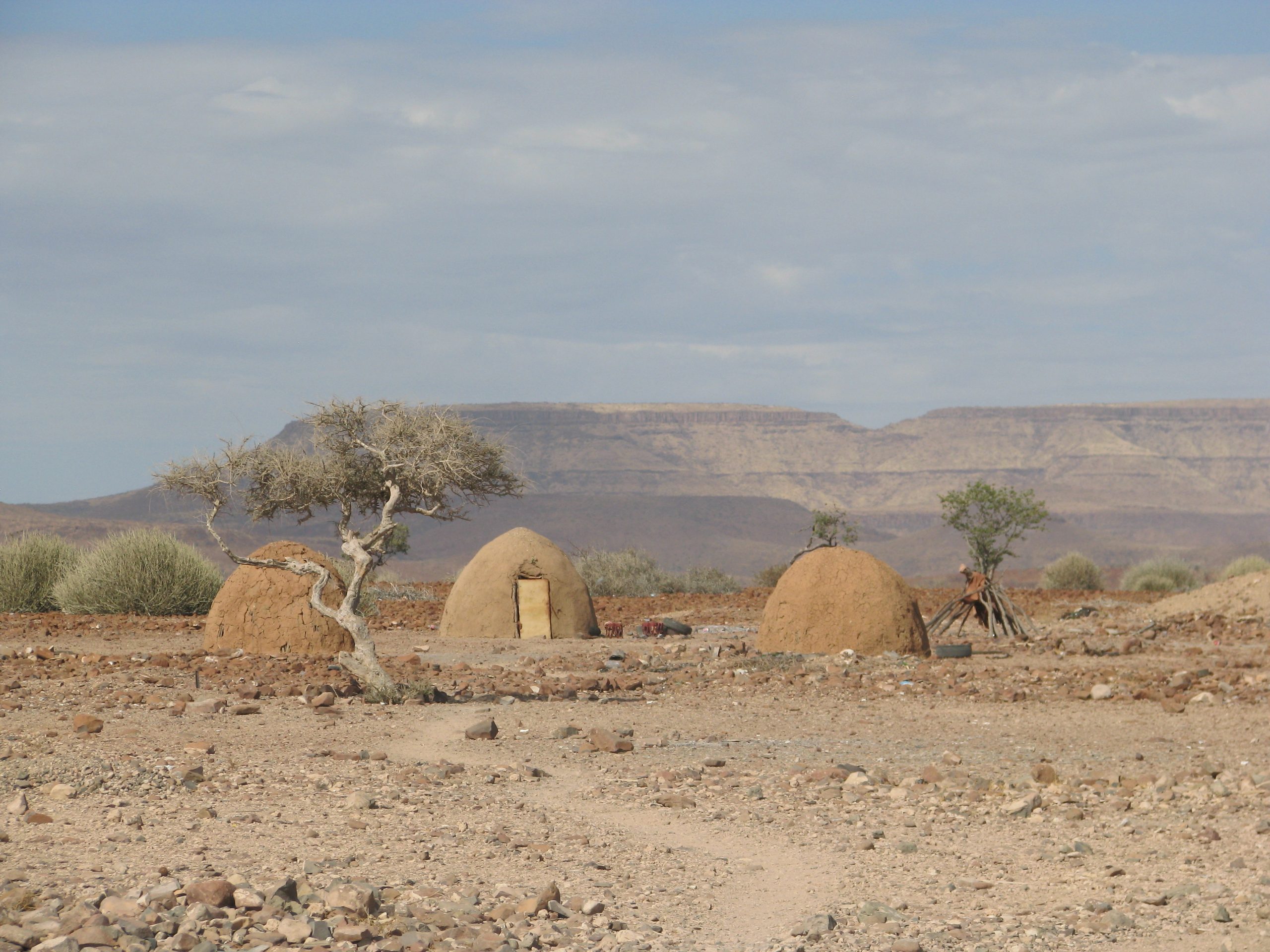
A land of ancient stories
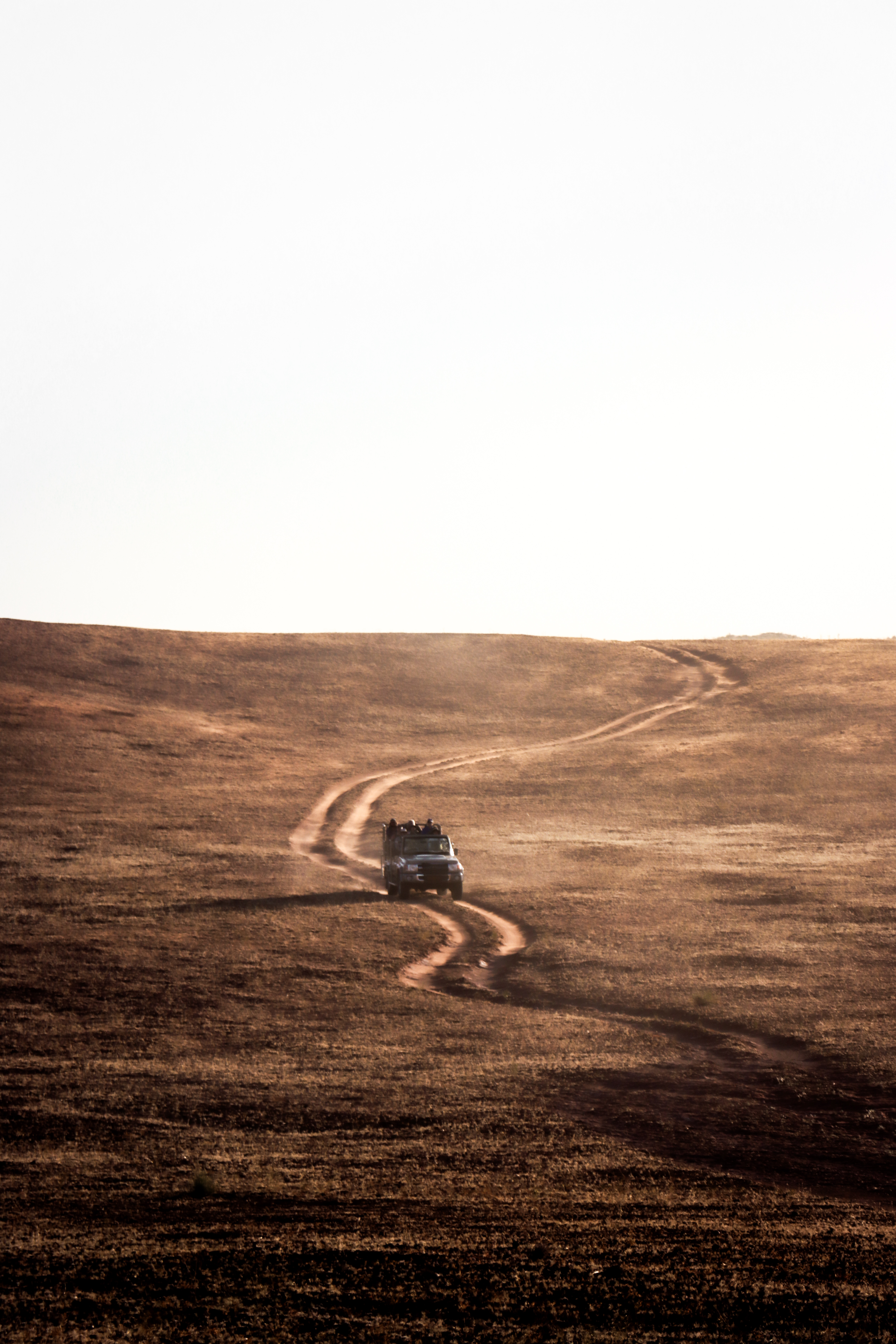
Vast and uncrowded
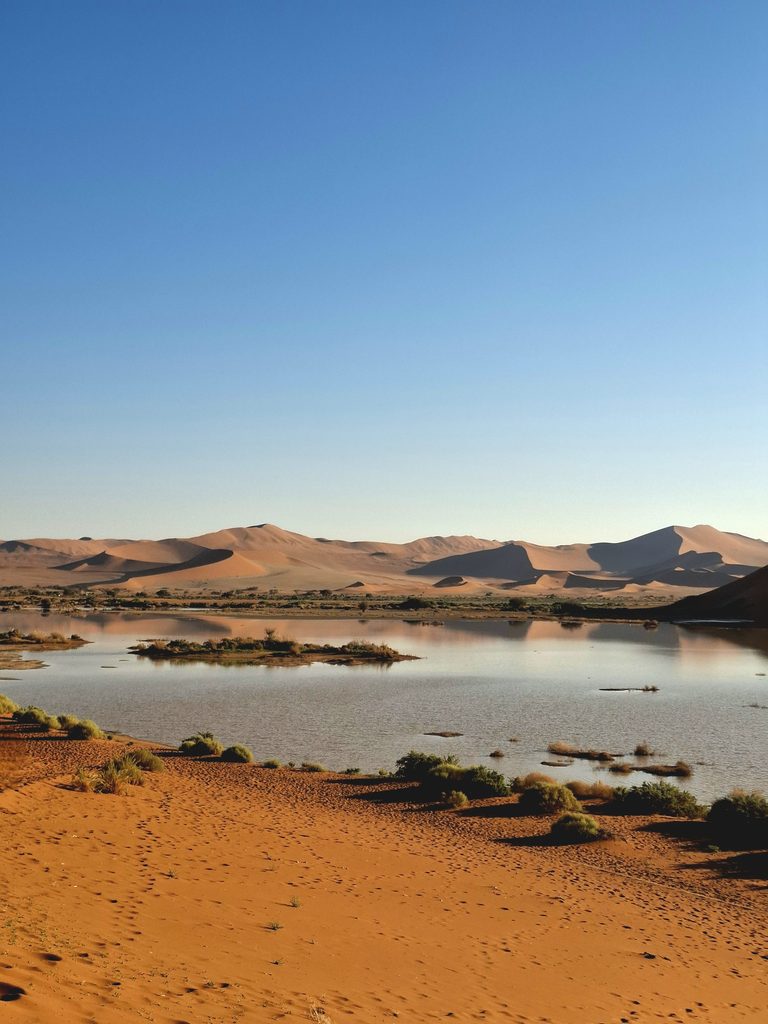
Sossusvlei & the Namib-Naukluft
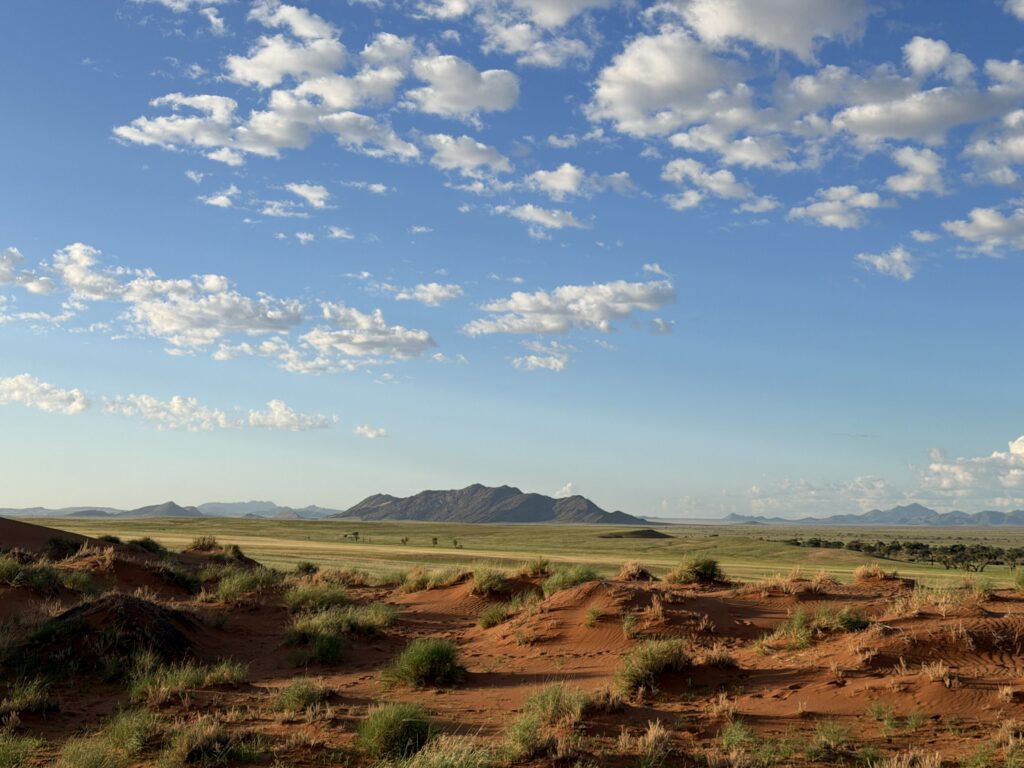
Home to some of the most recognisable landscapes in Namibia, the Sossusvlei and Namib-Naukluft region is where towering red dunes, ancient riverbeds and vast open plains come together in the heart of the Namib Desert. The Namib is one of the world’s oldest deserts, and its seemingly harsh landscape supports a remarkable variety of specially adapted plants and animals.
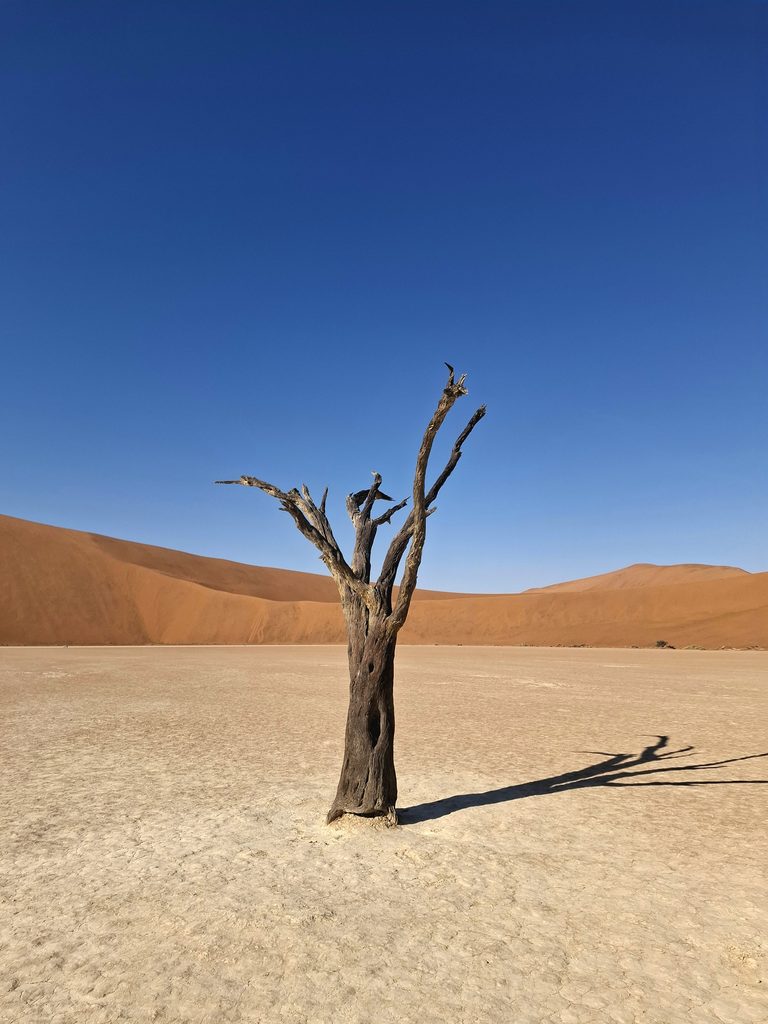
Sossusvlei itself is famous for its enormous dunes and the striking white clay pans of Deadvlei, where the skeletal remains of ancient camel thorn trees stand against orange sand and clear blue skies. Beyond these iconic sights, the wider region offers dramatic mountain scenery, narrow canyons and quieter corners of the desert that reveal a very different side of the Namib.
The area can be visited throughout the year, although the cooler months from May to September are particularly favours exploring. Early mornings and late afternoons offer the best light and more comfortable temperatures, while summer brings intense heat and the occasional dramatic desert thunderstorm.
Etosha National Park
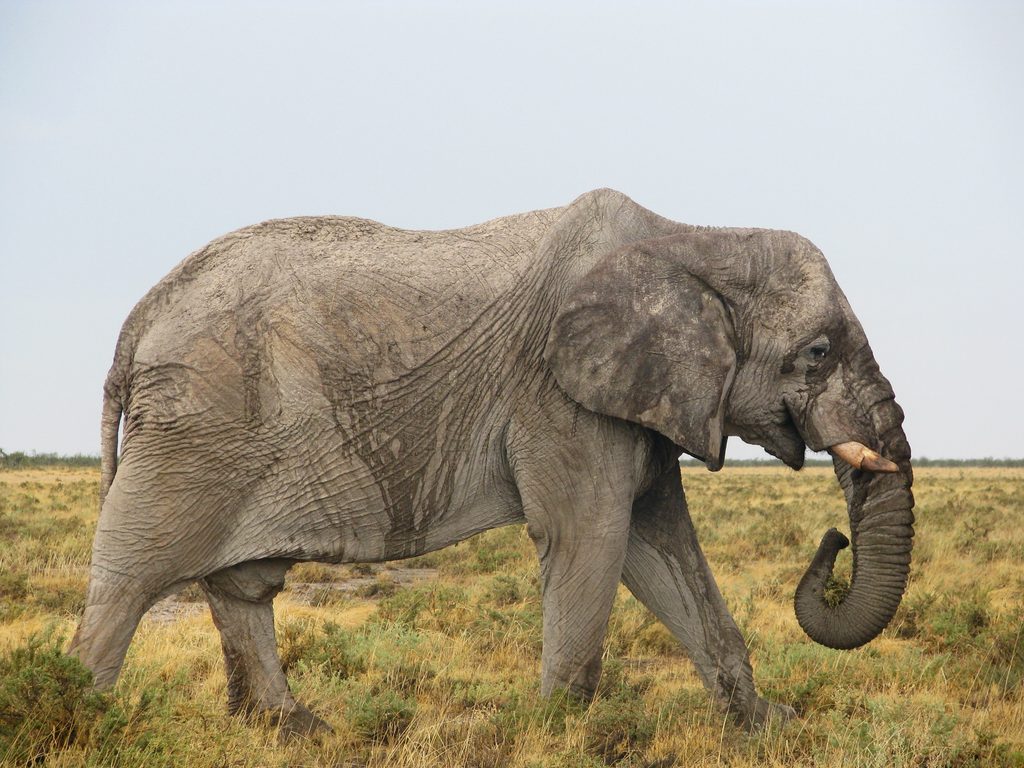
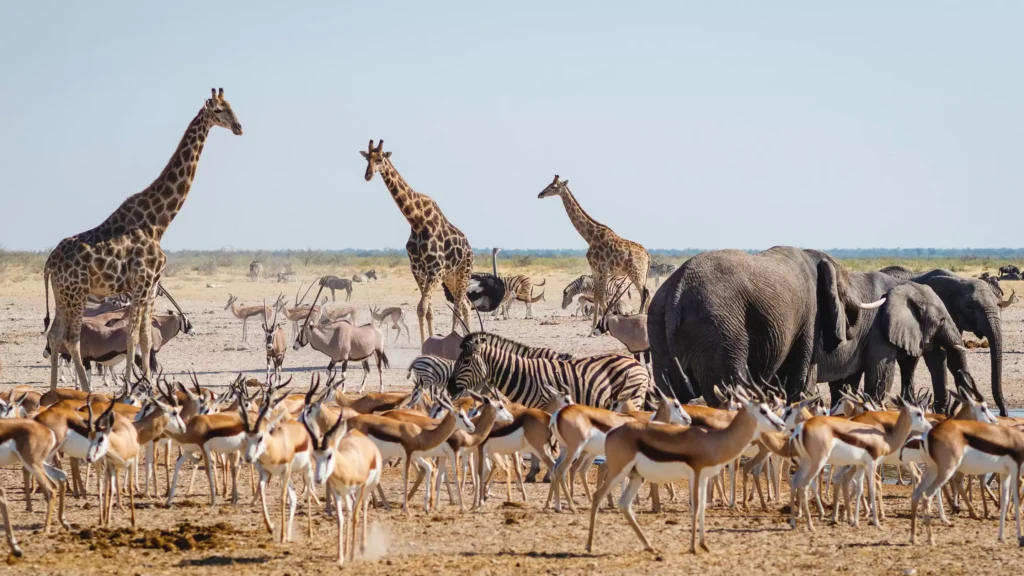
Etosha National Park is one of southern Africa’s great wildlife destinations and a highlight of many journeys through Namibia. At its centre lies the enormous Etosha Pan, a vast salt pan so large that it can be seen from space. During much of the year, the surrounding landscape is dry and open, concentrating wildlife around the park’s waterholes.
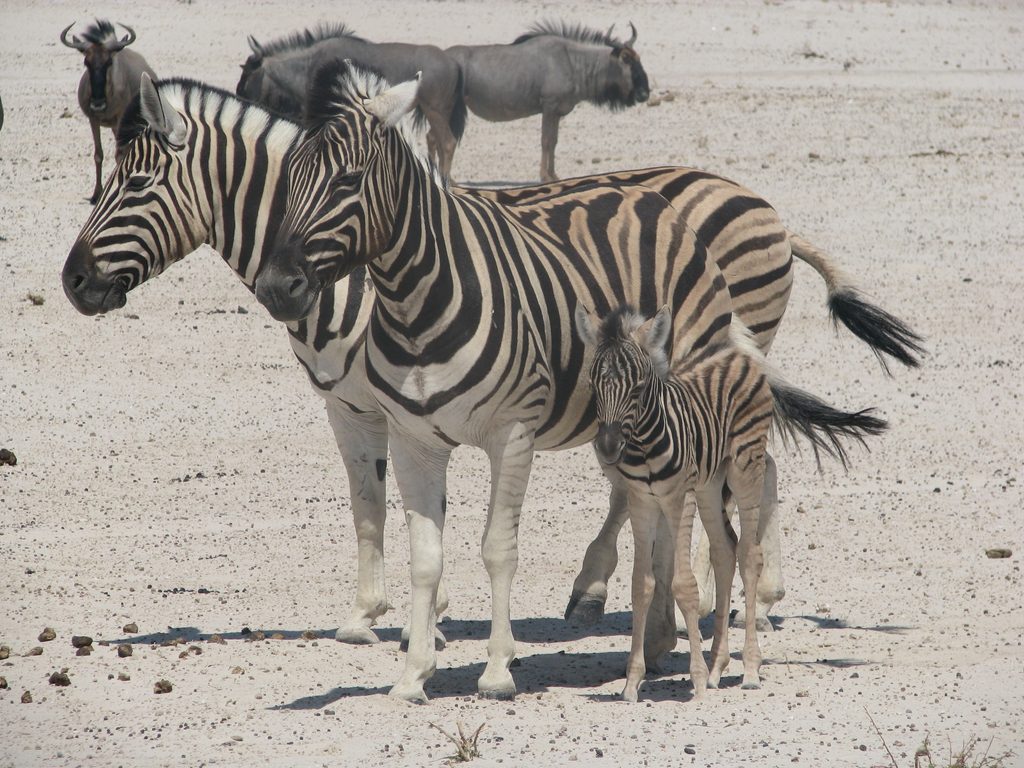
Etosha has a long history as a protected area and is home to an extraordinary diversity of animals. Elephants, lions, giraffes, zebras and several species of antelope are commonly encountered, while the park is also an important stronghold for black and white rhino. For bird enthusiasts, the changing seasons bring a wide variety of species, particularly when seasonal rains transform parts of the pan and surrounding landscape.
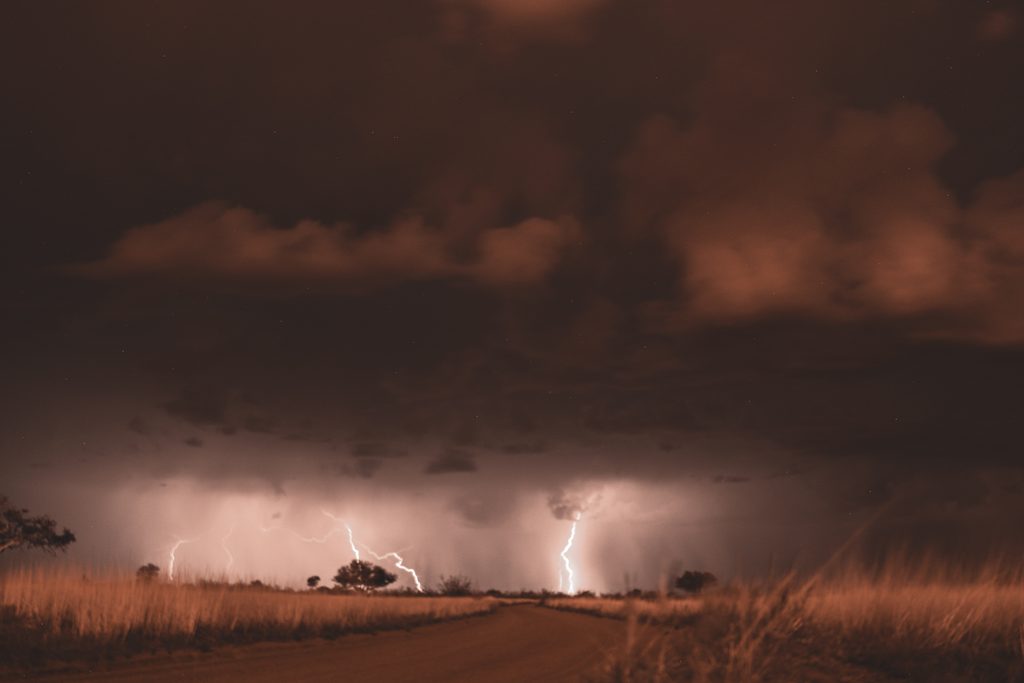
The dry season, from around May to October, is considered the best time for wildlife viewing, as animals congregate around reliable water sources and vegetation becomes less dense. The summer months bring hotter temperatures and the possibility of dramatic thunderstorms & lush vegetation.
The Kalahari
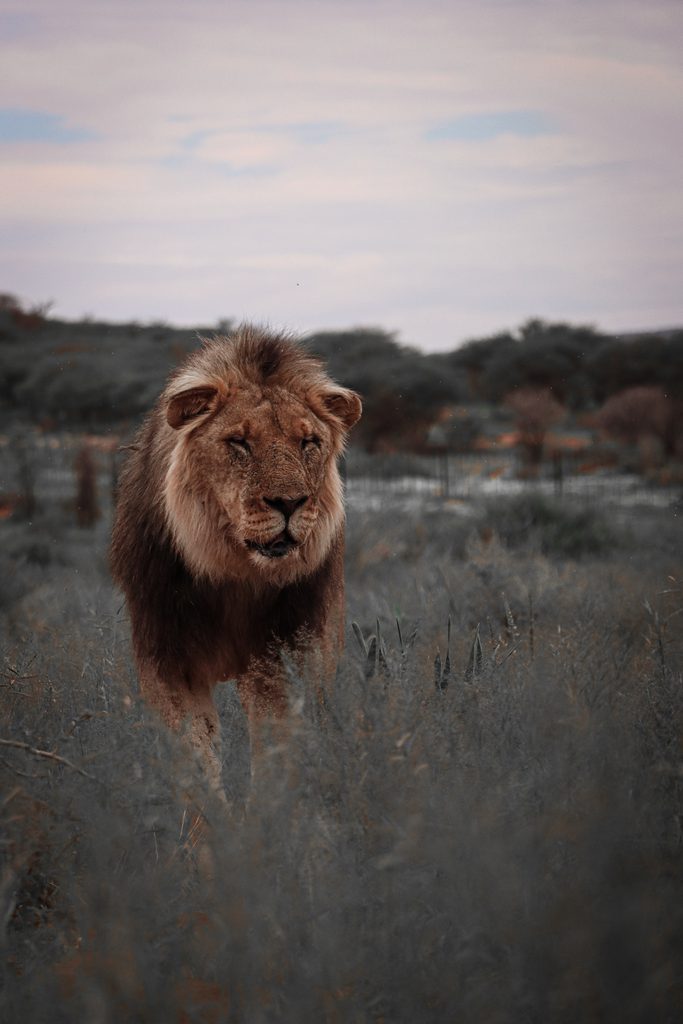
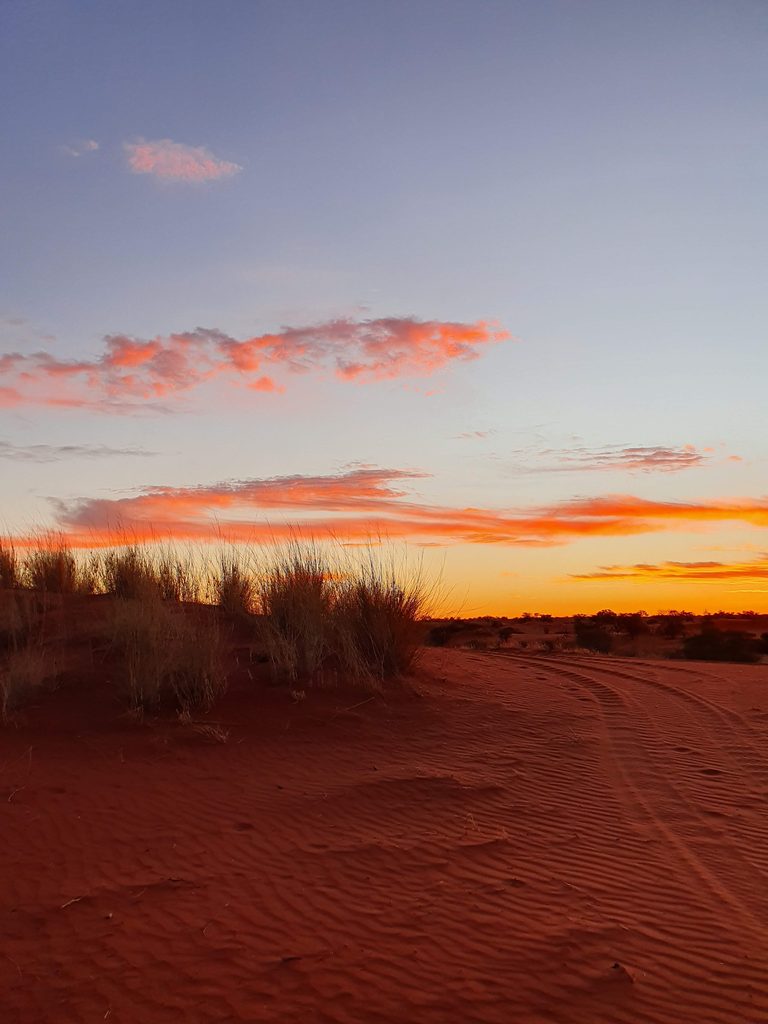
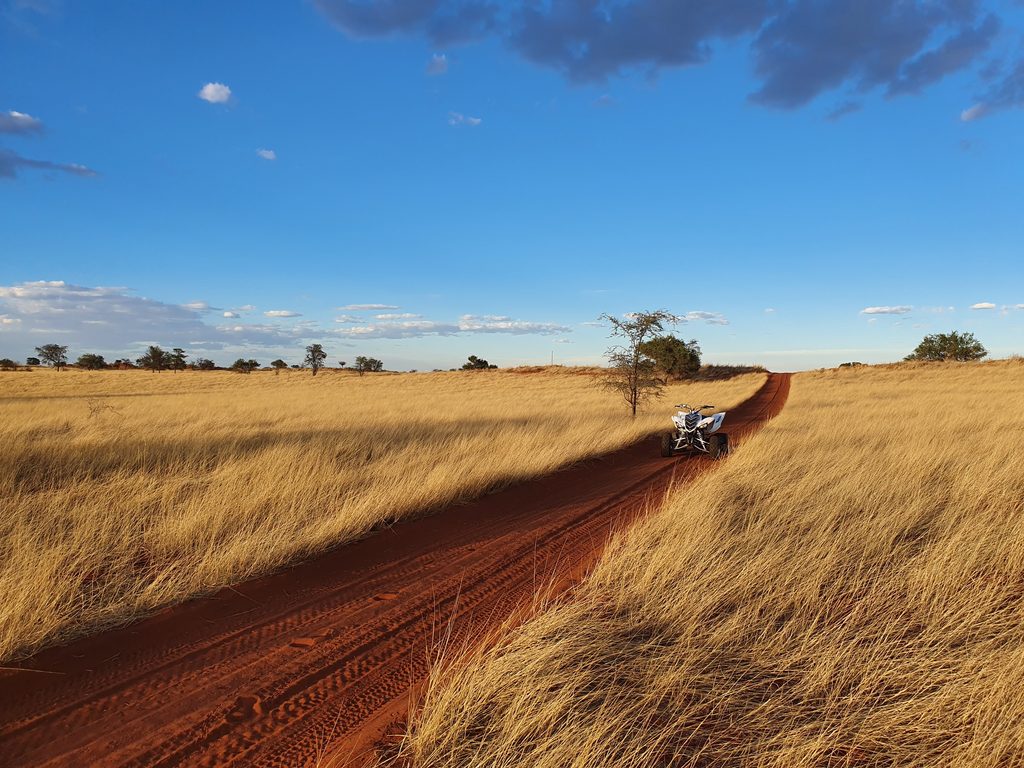
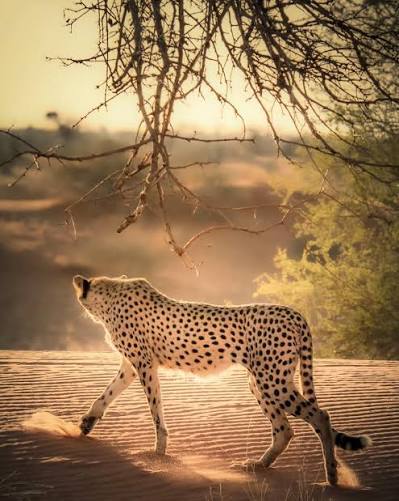
The Kalahari is a landscape of red dunes, golden grasslands and seemingly endless horizons. Although often referred to as a desert, it is very different from the Namib: seasonal rainfall supports grasses, shrubs and a surprising diversity of wildlife, giving the landscape a softer and more colourful character.
The Kalahari stretches across several southern African countries, with Namibia’s eastern and southern regions offering vast, sparsely populated areas where the rhythm of life is closely tied to the seasons. After good rains, the landscape can turn remarkably green, while the dry months reveal the deep red sands for which the region is known.
The cooler, drier months are generally particularly comfortable for travelling and wildlife viewing, although each season brings something different. Depending on where you explore, wildlife may include gemsbok, springbok, giraffe, ostrich, jackal and a wide variety of birds and smaller creatures. For those looking for space, silence and a slower connection with the landscape, the Kalahari offers a side of Namibia that is easy to fall in love with.
Swakopmund and the Skeleton Coast
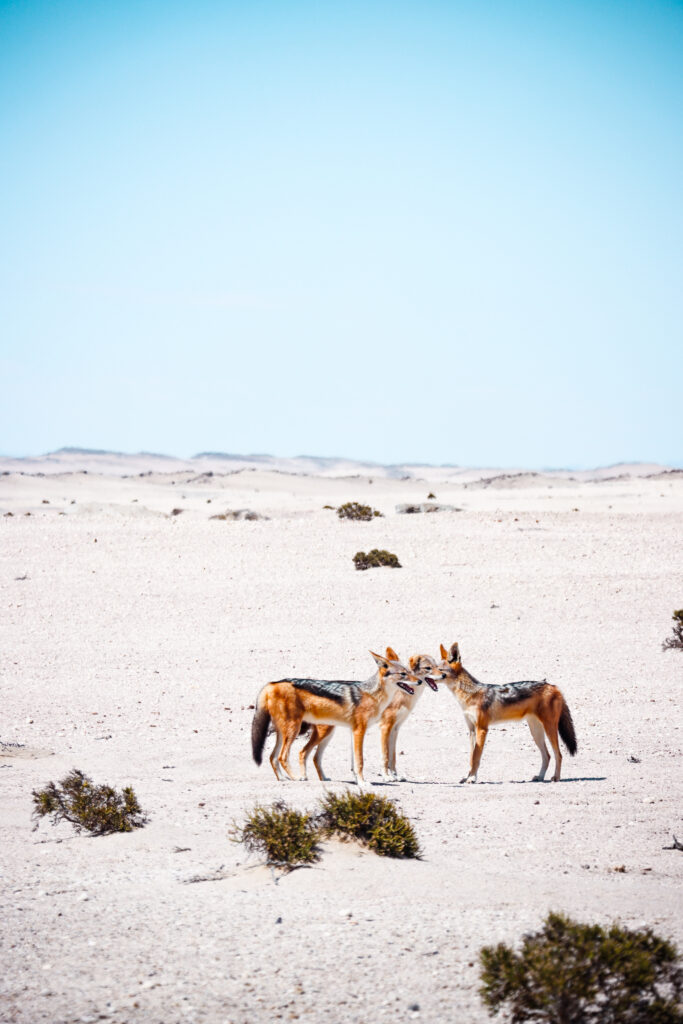
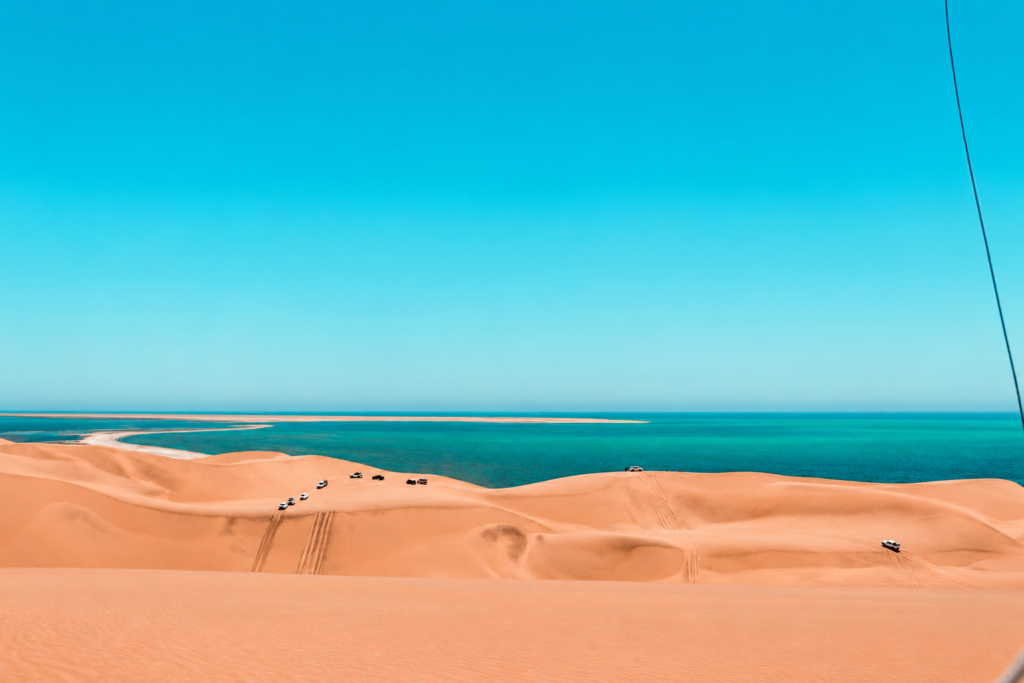
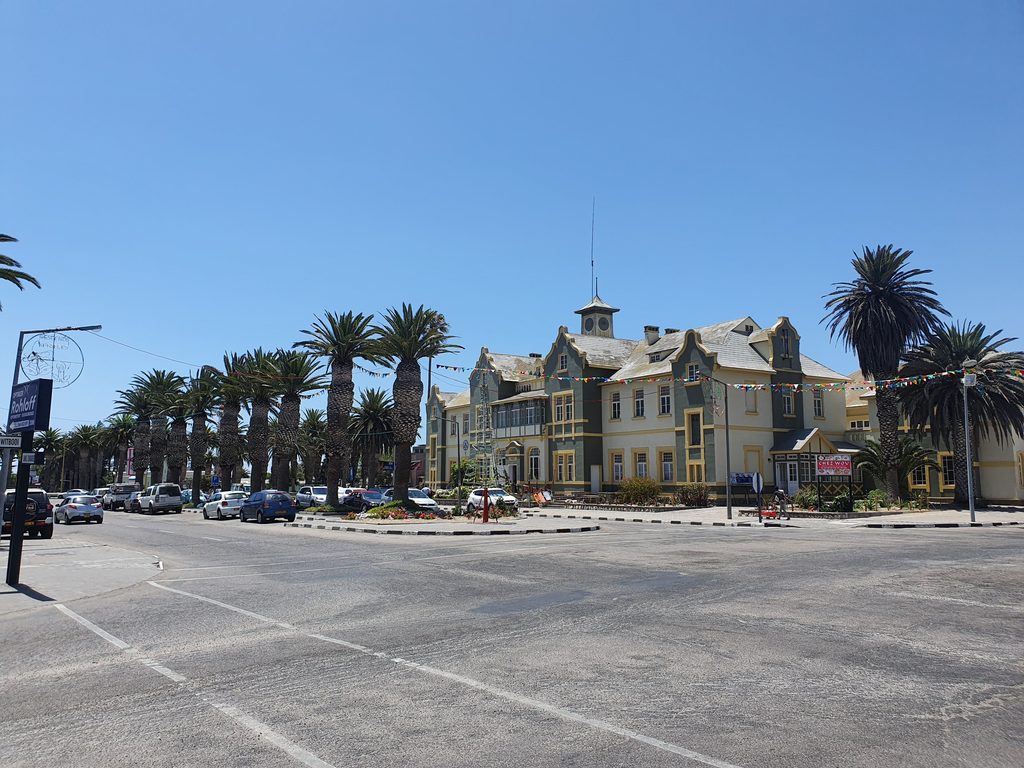
Along Namibia’s Atlantic coastline, the desert meets the ocean in a landscape shaped by wind, fog and shifting sand. Swakopmund, with its distinctive German colonial history and architecture, has long been one of Namibia’s most popular coastal towns and makes an excellent base from which to explore the surrounding desert and coastline.
The cold Benguela Current creates a striking contrast with the heat of the Namib and frequently blankets the coast in fog. This moisture is an important source of life in one of the world’s driest environments, supporting a fascinating collection of specially adapted plants and animals.
North of Swakopmund, the landscape gradually becomes more remote as the Skeleton Coast stretches towards some of Namibia’s wildest and least populated regions. Here, shipwrecks, windswept beaches and enormous expanses of desert create an atmosphere of isolation unlike almost anywhere else in the country. The coast is particularly enjoyable during Namibia’s warmer months, when temperatures are often considerably cooler than inland. Visitors may encounter seals, dolphins and a variety of seabirds, while the surrounding desert offers opportunities for everything from adventure activities to quiet exploration and photography.
Damaraland and Twyfelfontein
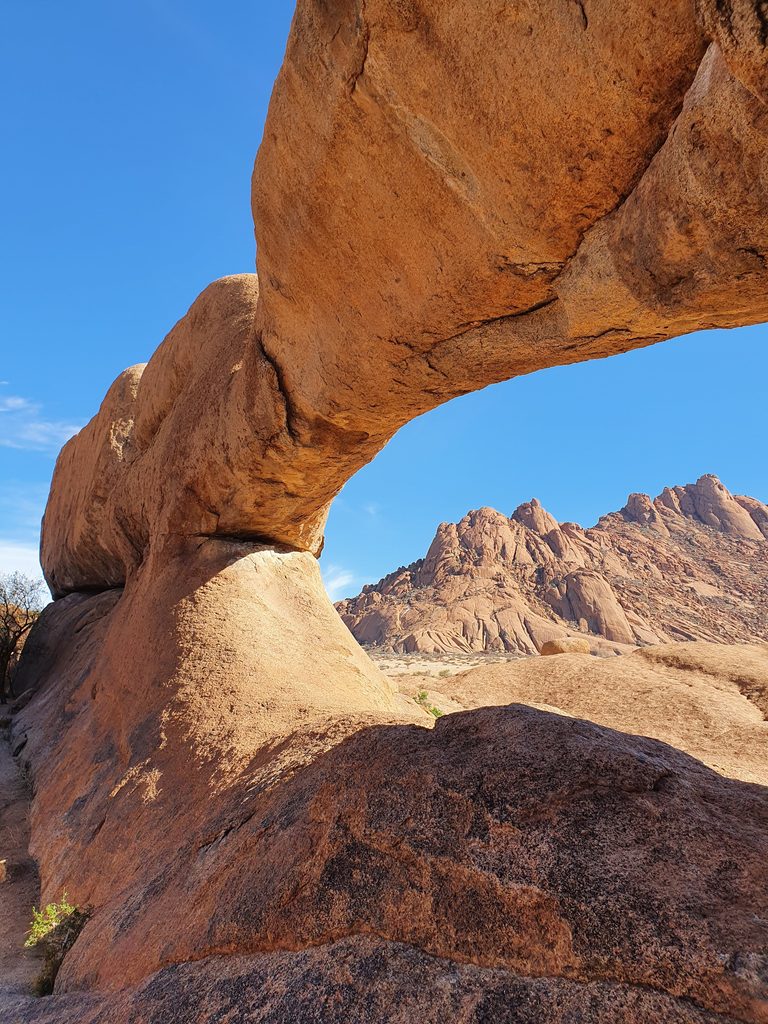
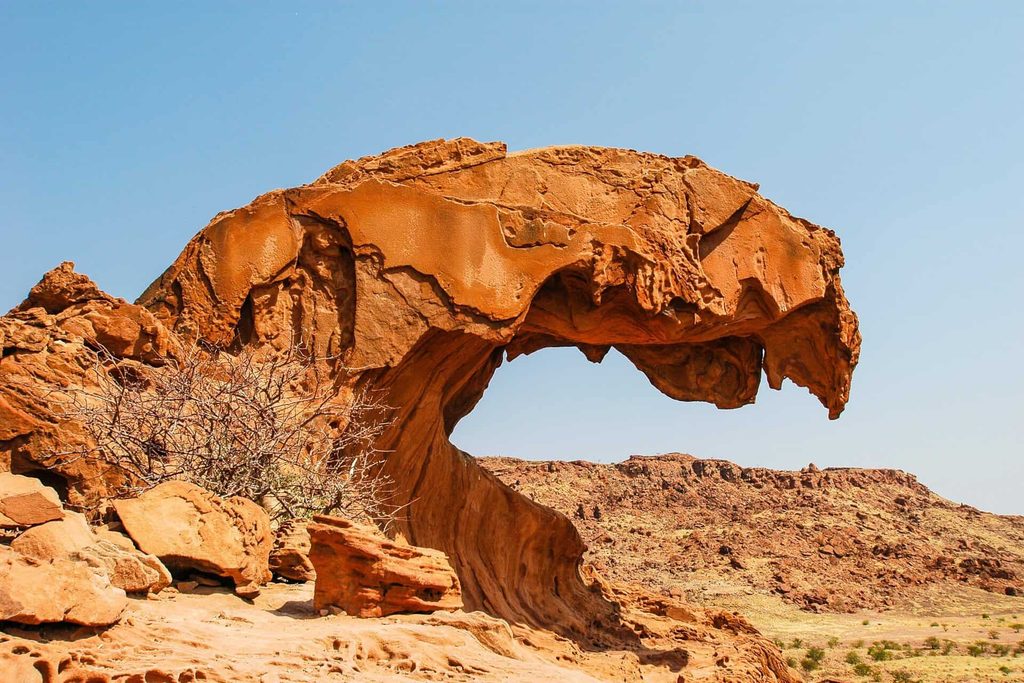
Damaraland is one of Namibia’s most dramatic and geologically fascinating regions. Characterised by rugged mountains, wide valleys and ancient rock formations, it is a landscape that feels both vast and deeply ancient. Its combination of spectacular scenery, wildlife and cultural heritage makes it one of the country’s most rewarding regions to explore.
One of its most famous sites is Twyfelfontein, home to one of Africa’s most significant concentrations of ancient rock engravings. Created over thousands of years, these engravings offer a fascinating glimpse into the lives, beliefs and observations of the people who once inhabited this harsh landscape.
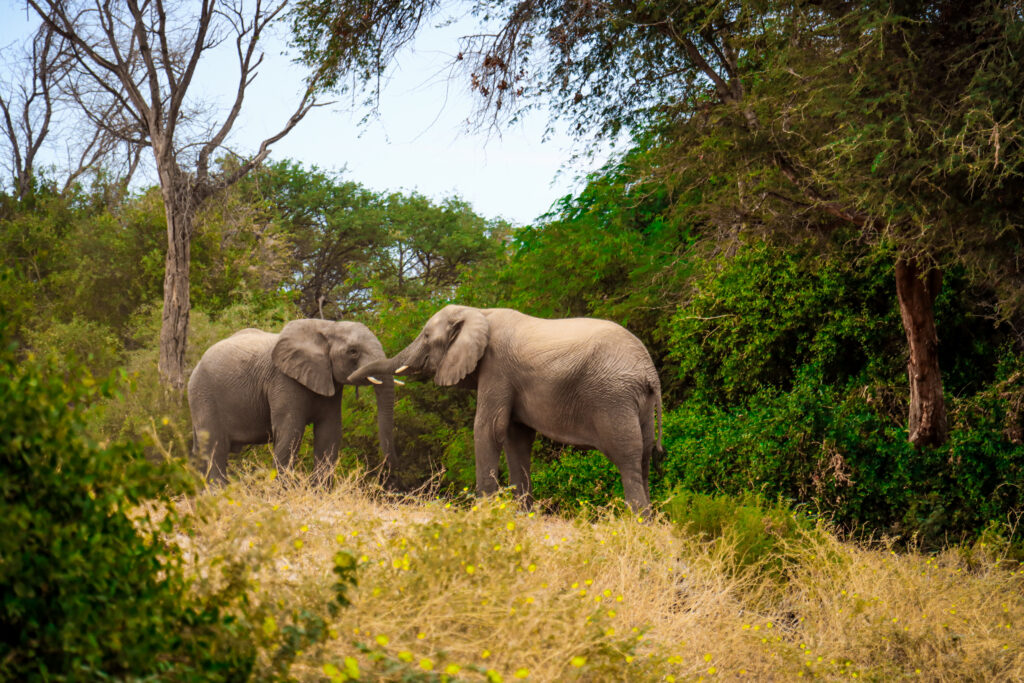
Damaraland is also known for its desert-adapted wildlife. Elephants move through dry river systems, while other animals such as giraffe, springbok, oryx and kudu have adapted to the region’s challenging conditions. The area is also particularly interesting for those who enjoy geology, reptiles and birdlife.
Beyond the highlights
Take the road less travelled
Namibia’s most memorable experiences are not always found at its most famous destinations. Some journeys lead down quieter roads, into remote landscapes or to places that don’t necessarily appear on every standard itinerary.
Epupa Falls
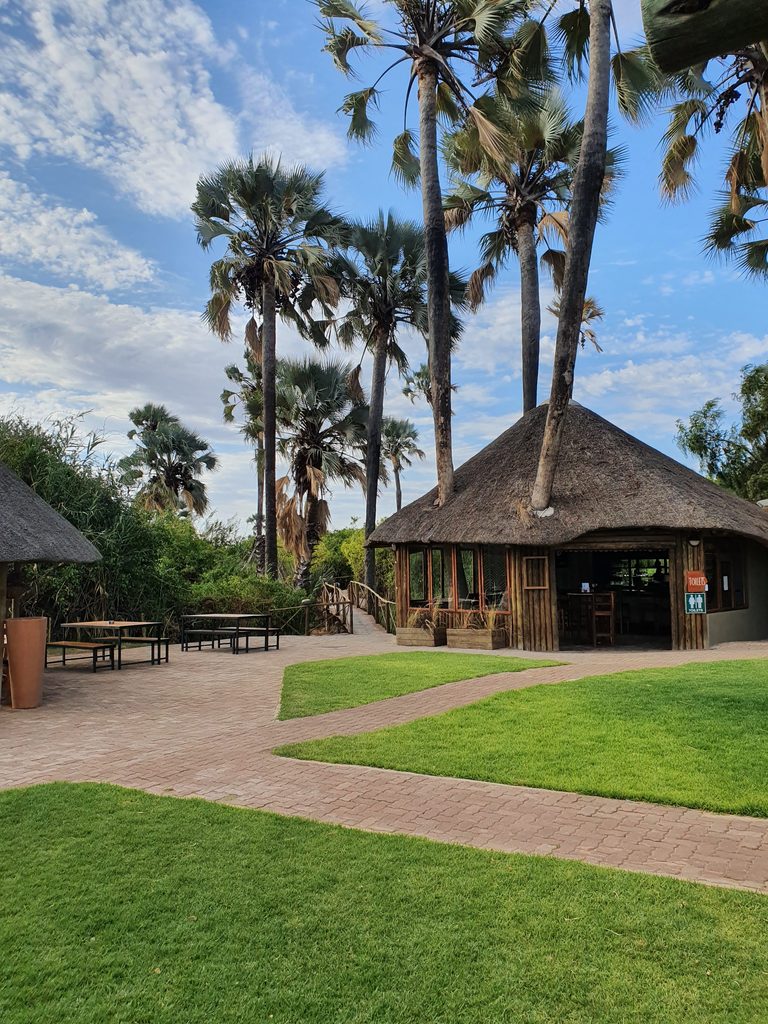
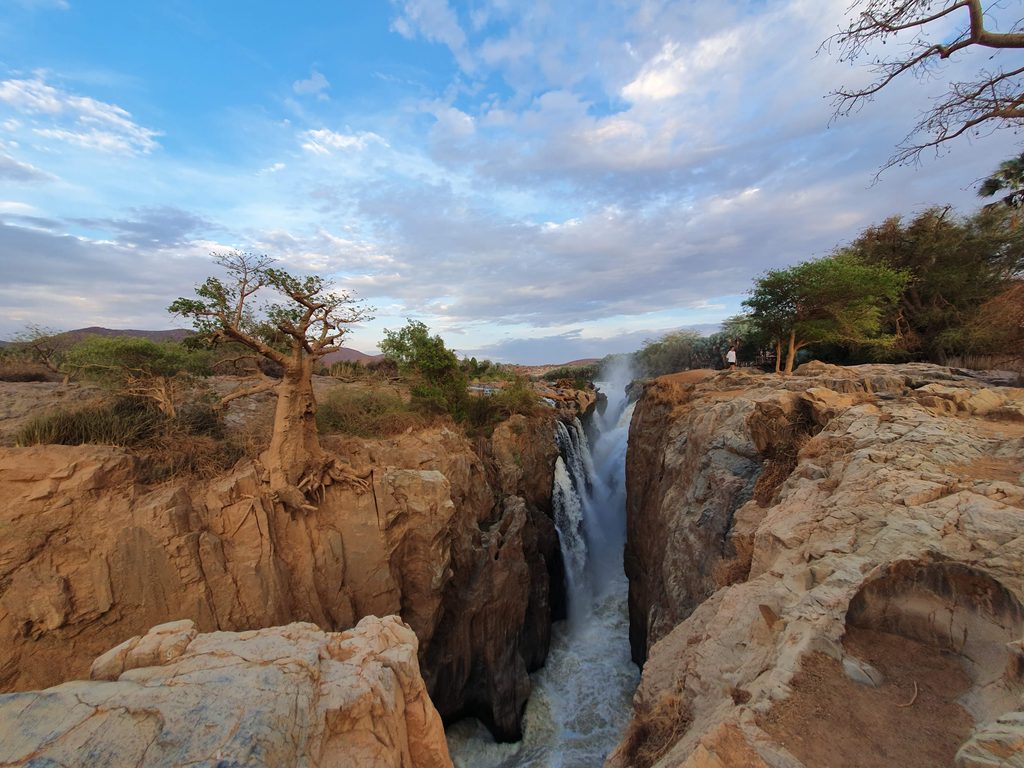
Near Namibia’s northern border with Angola, the Kunene River flows through a landscape very different from the country’s better-known deserts. The Epupa Falls are surrounded by lush vegetation, makalani palms and Himba communities, offering a glimpse into one of Namibia’s most beautiful and culturally distinctive regions.
Fish River Canyon
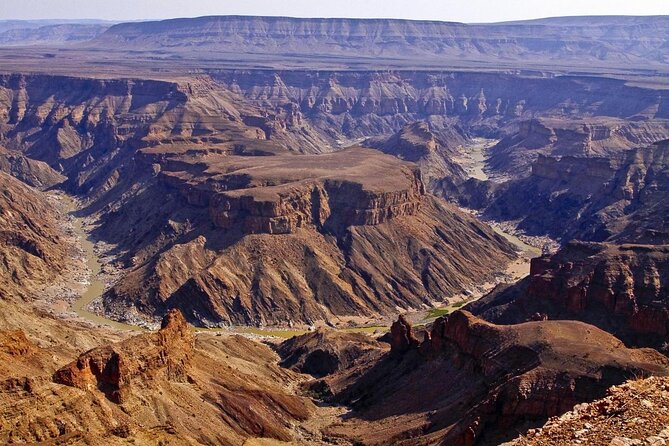
One of the largest canyons in the world, Fish River Canyon cuts dramatically through the arid landscape of southern Namibia. Its immense scale, rugged beauty and remote location make it a rewarding destination for those looking to experience a quieter and more dramatic side of the country.
The Zambezi Region & Bwabwata National Park
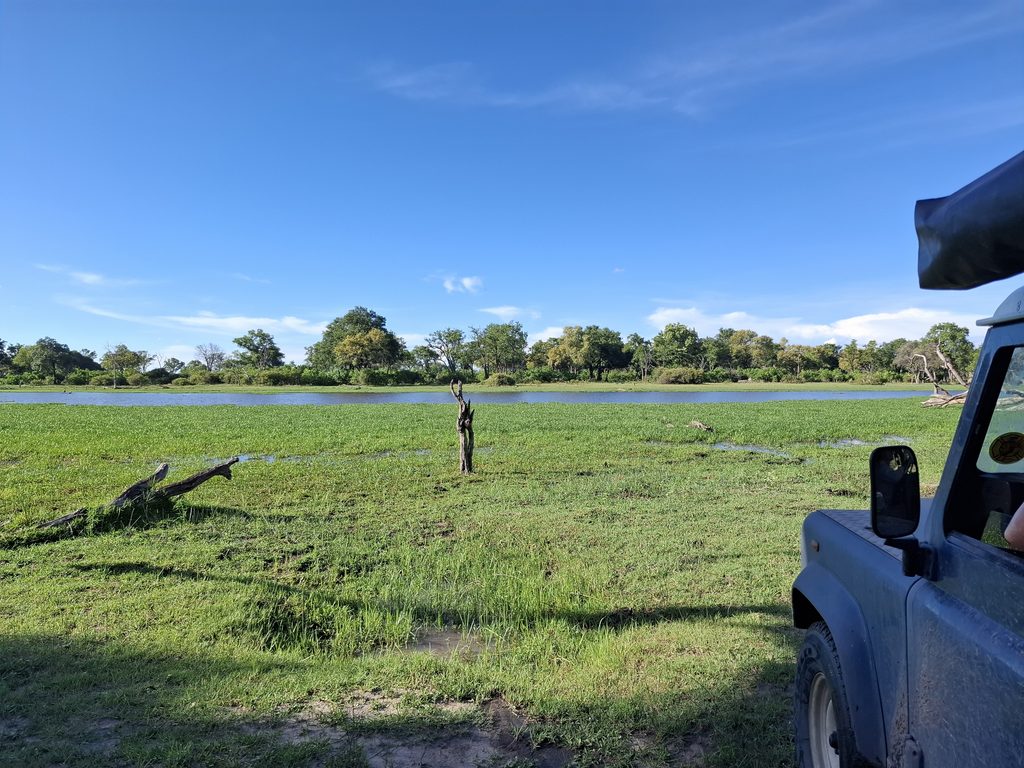
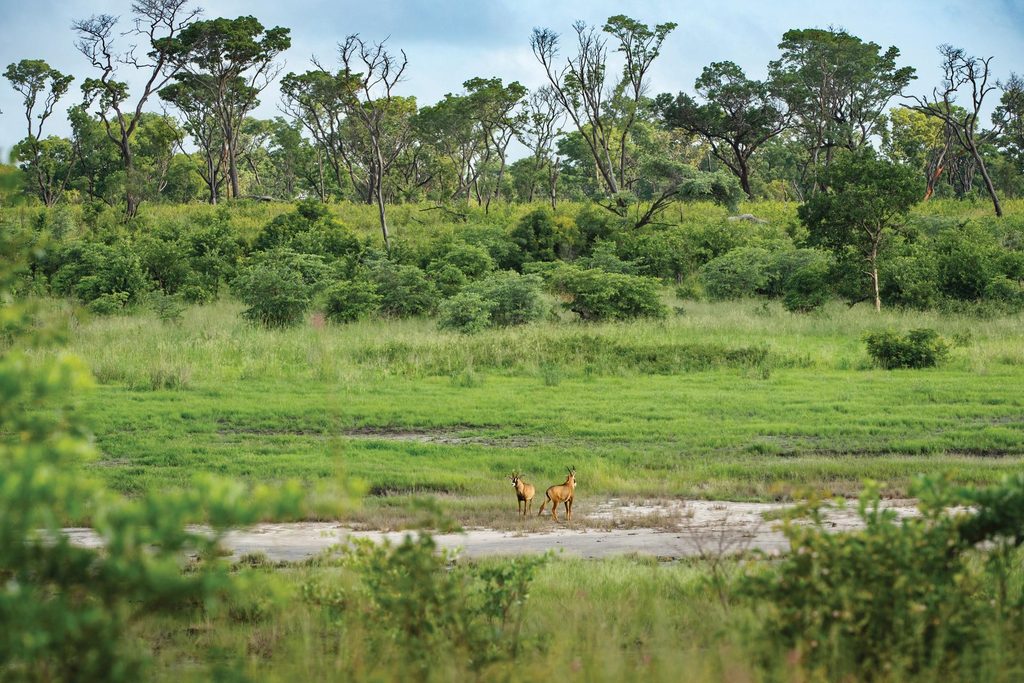
Namibia’s far northeast is a world away from its deserts, defined by rivers, wetlands, woodlands and lush vegetation. The Zambezi Region, including Bwabwata National Park, offers excellent opportunities for wildlife viewing, birding and exploring Namibia’s wilder, more tropical landscapes.
Khaudum National Park
Remote, rugged and largely untouched, Khaudum is one of Namibia’s true wilderness destinations. With deep sand, few facilities and vast open landscapes, it is best suited to adventurous travellers seeking an off-the-beaten-track safari experience.
Lüderitz & Kolmanskop
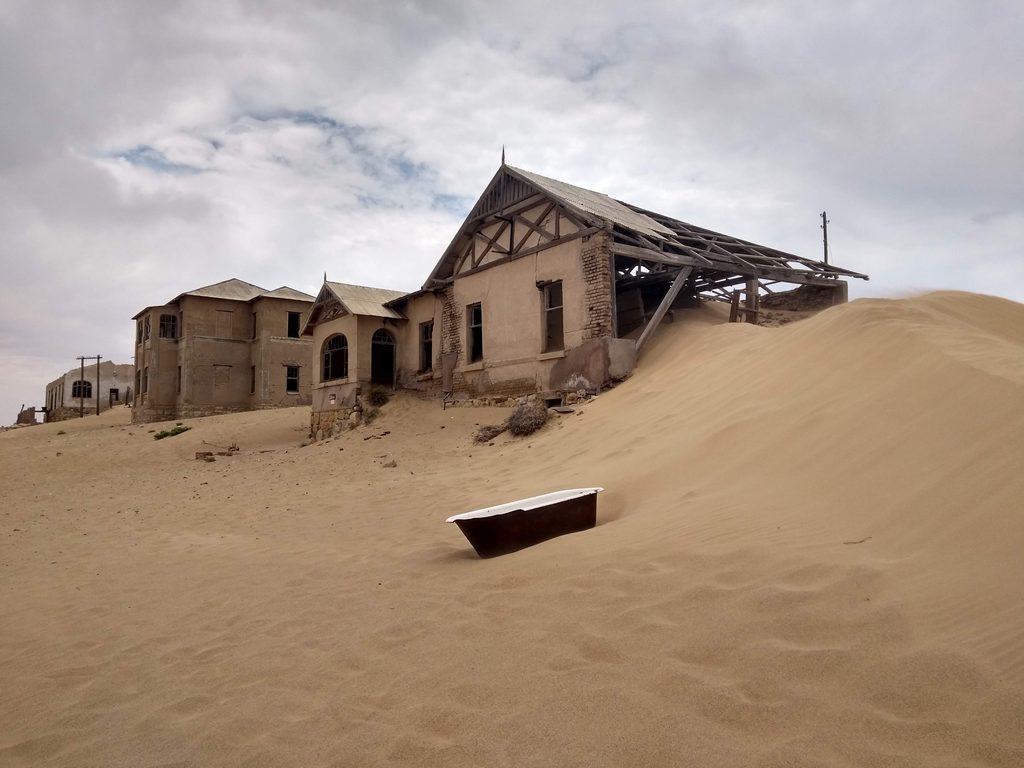
Perched on Namibia’s rugged southern coast, Lüderitz is a fascinating blend of German colonial history, dramatic desert landscapes and Atlantic Ocean wilderness. Nearby Kolmanskop, an abandoned diamond-mining town slowly being reclaimed by the desert, offers one of Namibia’s most striking and unusual photographic experiences.